CFI/CFII for Instruction at KMIC, KSGS, KANE, KFCM, 21D
Learn to fly in the beautiful state of Minnesota!
I’ve been a gearhead my whole life—always finding an excuse to ride, drive, and wrench on on anything with wheels. That passion eventually led me to aviation, and after my first discovery flight, I was hooked.
As an independent CFI, I offer a tailored flight training experience built around your goals, schedule, and learning style. Whether we’re flying a vintage tailwheel aircraft or a modern high-performance aircraft with a glass cockpit, my focus is on building real-world skills with an emphasis on safety, practicality, and efficiency.
Training provided in the airports surrounding the Minneapolis and St. Paul regions, including (but not limited to): Fleming Field (KSGS), Downtown St. Paul (KSTP), Anoka (KANE), Crystal (KMIC), and Flying Cloud (KFCM).
Details
StateMinnesota
CFI InsuranceYes
Aircraft Access for Pilot TrainingYes
Open to traveling across the countryNo
Aircraft Category
Single Engine Land
Held Pilot Certifications*
CFI (Certificated Flight Instructor)
CFII (Instrument Flight Instructor)
IGI (Instrument Ground Instructor)
Commercial ASEL (Airplane Single Engine Land)
Tailwheel Endorsement
High-Performance Endorsement
Complex Endorsement
Training Stages (Can offer)
Private Pilot License (Certificate) - PPL
Commercial Pilot License (Certificate) - CPL
Tailwheel Endorsement
High-Performance Endorsement
Complex-Airplane-Endorsement
Aircraft Experience (Instructed in)
C-150, C-172, R182 (C-182 RG)
Aircraft Experience (Piloted)
C-150, C-172, R182 (C-182 RG), J-3C, RV12
Home Airport(s)
KMIC – Crystal Airport (MIC), Minneapolis, Minnesota
KSGS – South St. Paul Municipal Airport (Richard E. Fleming Field) (SGS), South St. Paul, Minnesota
KANE – Anoka County-Blaine Airport (Janes Field) (ANE), Blaine, Minnesota
KFCM – Flying Cloud Airport (FCM), Eden Prairie, Minnesota
21D – Lake Elmo Airport (21D), Lake Elmo, Minnesota
KLVN – Airlake Airport (LVN), Lakeville, Minnesota
Pilot Training Provided
Certificates/Ratings Flight Lessons
Ground School
Intro/ Discovery Flight
Flight Reviews - Biennial Flight Reviews (BFRs)
Checkride Prep
Time Building
Cross-Country Flying
Flight Planning (VFR, IFR)
Currency Training
Night Currency/Proficiency
Aircraft/Insurance Checkout
Ground School Programs Experience
Gleim Aviation
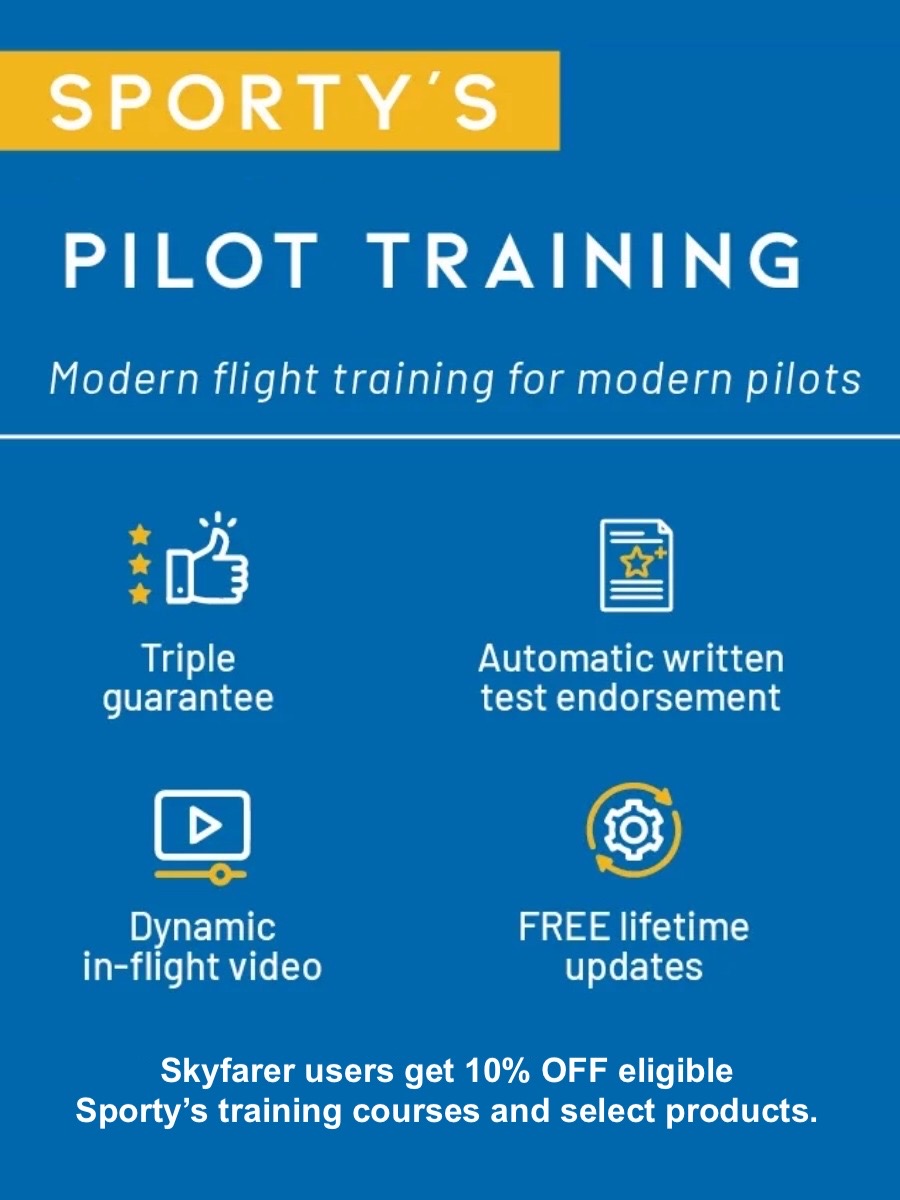
Sporty's
Pricing - Hourly Rate
50
Location
Reviews (0)
About
Hello, I'm Kevin.ID VerifiedIdentity verified through StripeEmail VerifiedEmail address verified
I've been a gearhead ever since I was a kid, racing and wrenching on motorcycles, bicycles, cars... you name it. It wasn't until a few years ago that I realized the world of general aviation was something almost anybody could participate in, and not just some inaccessible hobby reserved for the elite. I was hooked after my discovery flight, and now I find myself constantly looking for excuses to be at the airport. Whether I'm flying a fabric covered tailwheel airplane from the 1940s, or a modern light sport with full glass cockpit, there's no place I'd rather be than up in the air.
Whether you are looking to take your first discovery flight, are working on your next rating, or need a flight review, please feel free to reach out!
I've been a gearhead ever since I was a kid, racing and wrenching on motorcycles, bicycles, cars... you name it. It wasn't until a few years ago that I realized the world of general aviation was something almost anybody could participate in, and not just some inaccessible hobby reserved for the elite. I was hooked after my discovery flight, and now I find myself constantly looking for excuses to be at the airport. Whether I'm flying a fabric covered tailwheel airplane from the 1940s, or a modern light sport with full glass cockpit, there's no place I'd rather be than up in the air.
Whether you are looking to take your first discovery flight, are working on your next rating, or need a flight review, please feel free to reach out!
Most lessons are scheduled for around one hour of flight time, but they often take closer to two hours. That’s because your flight instructor will spend time before and after each flight briefing you on what to expect, reviewing your performance, and setting goals for the next lesson.
For specialized instruction, such as a flight review or an endorsement the session may take longer. You can always discuss the estimated duration with your instructor in advance.
If your lesson runs longer or shorter than planned, instructors on Skyfarer can make a Post-Lesson Adjustment through the platform to reflect the actual time spent.
When choosing a flight instructor (CFI), it’s easy to focus on the hourly rate—but that’s often only part of the picture. Flight training isn’t just about cost; it’s about value, progress, and quality of instruction. A “cheaper” rate may sound appealing at first, but if it takes twice as long to reach your goals, you could end up spending more in the long run.
It’s also important to understand what’s included in that rate. It may also include aircraft access and fuel. A well-qualified instructor with a thoughtful training approach can make your learning experience safer, more efficient, and far more rewarding—especially when you’re flying with friends or family down the line.
It depends on your pace and schedule! Under FAA Part 61, you’ll need a minimum of 40 hours of flight training to earn your Private Pilot Certificate — at least 20 hours with an instructor and 20 hours of solo practice. However, most students complete their Private Pilot training in 60 to 80 hours, depending on lesson frequency, study habits, the type of training aircraft used, weather, and the airport.
You should discuss this with your flight instructor to set up a training plan and keep your progress steady and efficient.
Each listing shows an instructor’s background, certifications, specialties, and student reviews. Don’t hesitate to ask plenty of questions — finding the right fit matters. We also have a blog article that provides specific tips and expert advice for students and pilots.
Student pilots are not permitted to carry passengers during solo flights. However, friends or family members may join you on dual lessons (when your instructor is in the plane), if your instructor approves.
Recreational and sport pilots may carry only one passenger at a time. Private pilots and above may carry as many passengers as the aircraft is legally approved to seat, as long as the flight remains within all performance and weight-and-balance limitations.
If you’re training for a Private, Sport/Recreational, Instrument, or Multi-Engine Certificate, you’ll most likely learn in a two- or four-seat airplane with a single engine and fixed landing gear. Most training aircraft carry two to four hours of fuel and cruise at around 100 mph.
If you don’t have access to an airplane, be sure to choose an instructor who does. You may see available aircraft types on each instructor’s listing page and use the filters on the search results page to find instructors with the right equipment for your training needs.
For Private Pilot training, we recommend scheduling 2–5 training sessions per week. This pace helps you stay on track to complete your program efficiently, even with occasional cancellations due to weather or maintenance.
If you’d like to train more frequently, many instructors offer off-peak availability in the early morning or evening—great opportunities to build additional flight time and maintain consistent progress.
Yes. Just let your instructor know your availability, and they can help create a schedule for you. One of the most common pilot training challenges is irregular or infrequent lessons. While full-immersion programs can accelerate progress, what matters most is consistency. Regular, steady training leads to better retention and smoother advancement—and your instructor will work with you to make that happen.
Not at all! All of your previous flight hours and experience still count. When you continue training, your flight instructor will review your logbook and current proficiency to pick up right where you left off. What matters most is your proficiency and flying to FAA standards.
Booking flying lessons is quick and easy: Select your preferred time and click "Request to book" to instantly send a booking request, you won’t be charged until the instructor accepts the booking request.
Training costs: Instructors on Skyfarer offer transparent, competitive pricing tailored to different budgets and needs.
Payments: We accept credit/debit cards.
Once your booking is accepted, you’ll receive an email confirmation and can message your instructor directly through Skyfarer to finalize details. After the session, you can leave feedback and book your next lesson anytime.
By booking on Skyfarer, your training is backed by our secure payment protection, and support from the Skyfarer team — we’re here to help if you ever need assistance. Booking on Skyfarer also keeps a record of all messages between you and your instructor in your Skyfarer inbox. We actively review and take action in response to any conduct that is inappropriate, unsafe, or dishonest.
CFI/CFII for Instruction at KMIC, KSGS, KANE, KFCM, 21D